They come from the same hills, the same grape varieties, the same families who have farmed this land for generations. Yet Amarone and Ripasso are wines of an entirely different character — and understanding why changes how you experience both.
The Foundation: Appassimento
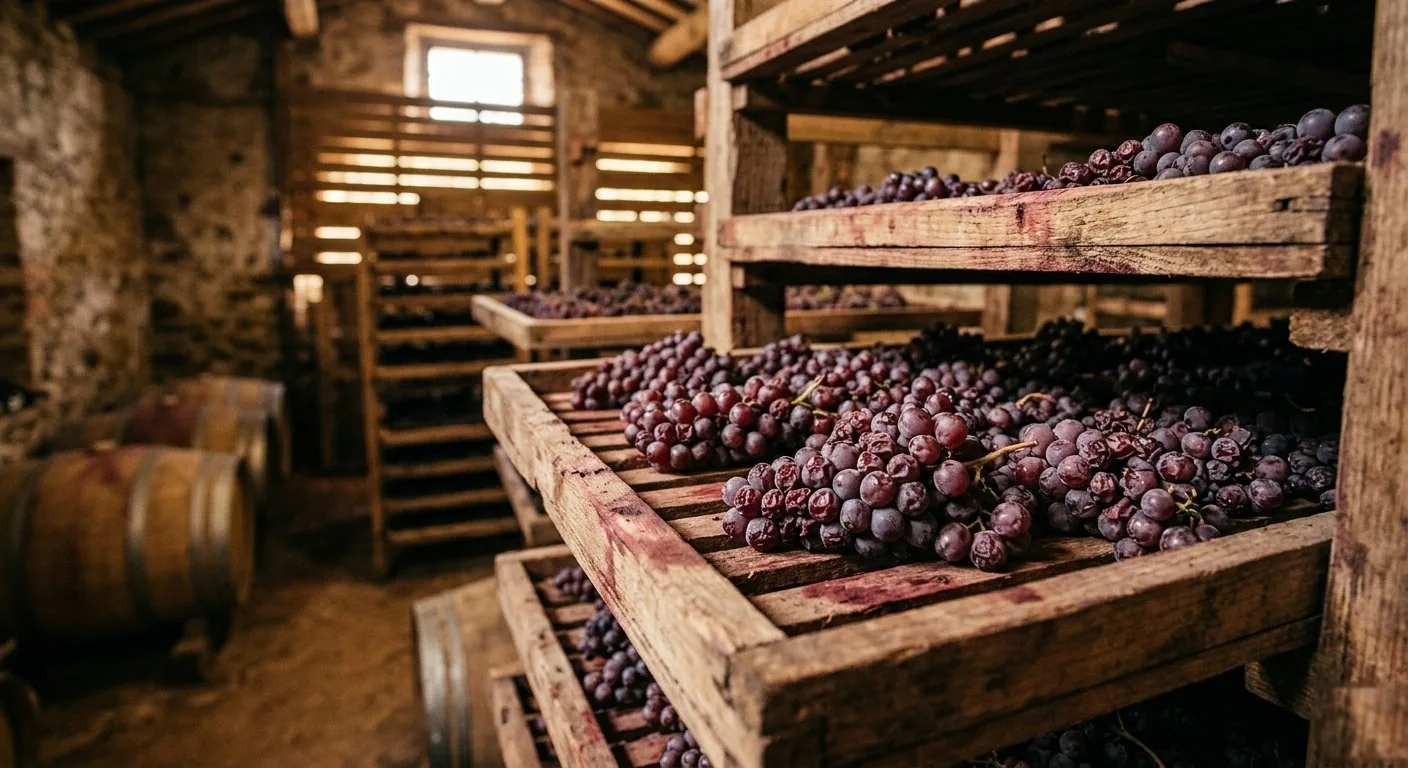
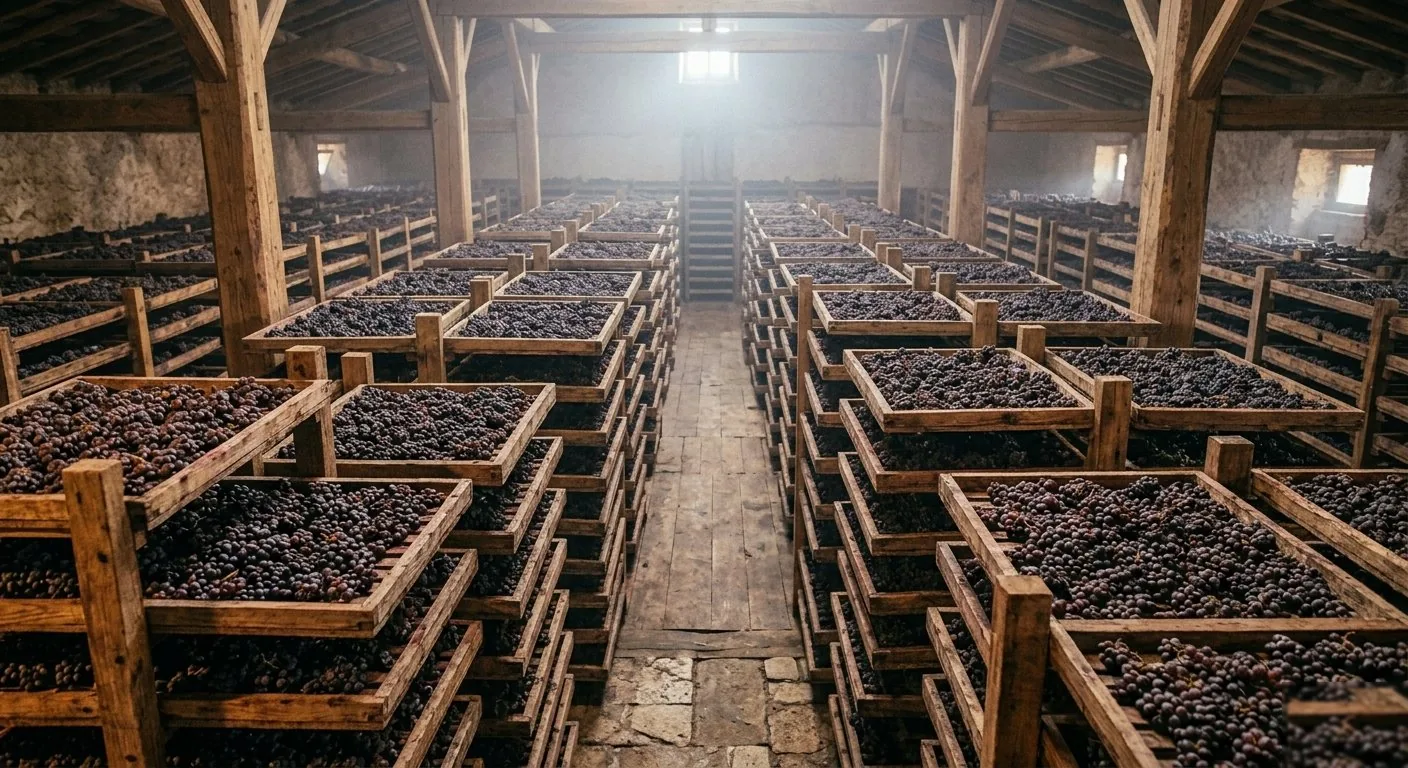
The key to both wines is appassimento: the practice of laying freshly harvested Corvina, Corvinone, and Rondinella grapes on wooden racks called arele in open lofts — the fruttai — where cool mountain air from the Lessini plateau circulates freely. Over 90 to 120 days, the grapes lose up to 30% of their weight through natural evaporation. Sugars concentrate. Flavours deepen and evolve. The grape transforms.
This is the technique that makes Valpolicella singular in the wine world. No other major region practices appassimento at this scale or with this degree of refinement. It is the single most important thing to understand about these wines before you open a bottle.
Amarone: The Full Journey
For Amarone, the entire wine is made from appassimento grapes. After the drying period — which typically runs from harvest in September through to December or January — the shrivelled bunches are pressed and fermented. Fermentation is slow and difficult: the high sugar concentration stresses the yeast, and the process can take 30 to 50 days. The winemaker's goal is to ferment the wine to near-dryness, consuming almost all the concentrated sugar and reaching an alcohol level that typically falls between 15% and 17%.
After fermentation, the wine goes into large Slavonian oak barrels — botti — where it ages for a minimum of two years for standard Amarone, four years for Riserva. Most serious producers age considerably longer. Dal Forno Romano, one of the region's most celebrated estates, often holds wines back for seven or more years before release.
The result is a wine of extraordinary complexity and density. Dried cherry, bitter chocolate, espresso, leather, tobacco, dried rose. In older vintages: tar, truffle, dried fig, and a haunting bittersweet finish that can last minutes. These are wines built for decades of cellaring, and they repay patience in kind.
Ripasso: The Elegant Shortcut
Ripasso takes a more economical path to complexity. A base wine — Valpolicella Classico, already vinified and resting in tank — is poured over the spent grape skins left over from Amarone production. These skins still contain yeast, residual sugar, glycerol, tannin, and aromatic compounds. A second fermentation begins spontaneously, typically lasting five to fifteen days. The base wine extracts colour, body, and structure that it never possessed on its own.
The technique is ancient — references to it appear in Veronese records from the seventeenth century — but it was effectively modernised and popularised by Masi Agricola in the 1960s, whose blend Campofiorin became the commercial benchmark for the style and introduced it to an international audience.
In the glass: ripe cherry, dried fig, a whisper of spice and vanilla from the Amarone skins, with a velvet texture that distinguishes it immediately from a simple Classico. It lacks the extremity of Amarone — the age-worthiness, the sheer power — but it offers an accessible entry into the flavour world of appassimento at a price that makes everyday drinking genuinely possible.
Taste both wines side by side on a guided cellar tour in Valpolicella — the difference becomes immediately clear and permanent.
See Wine Tours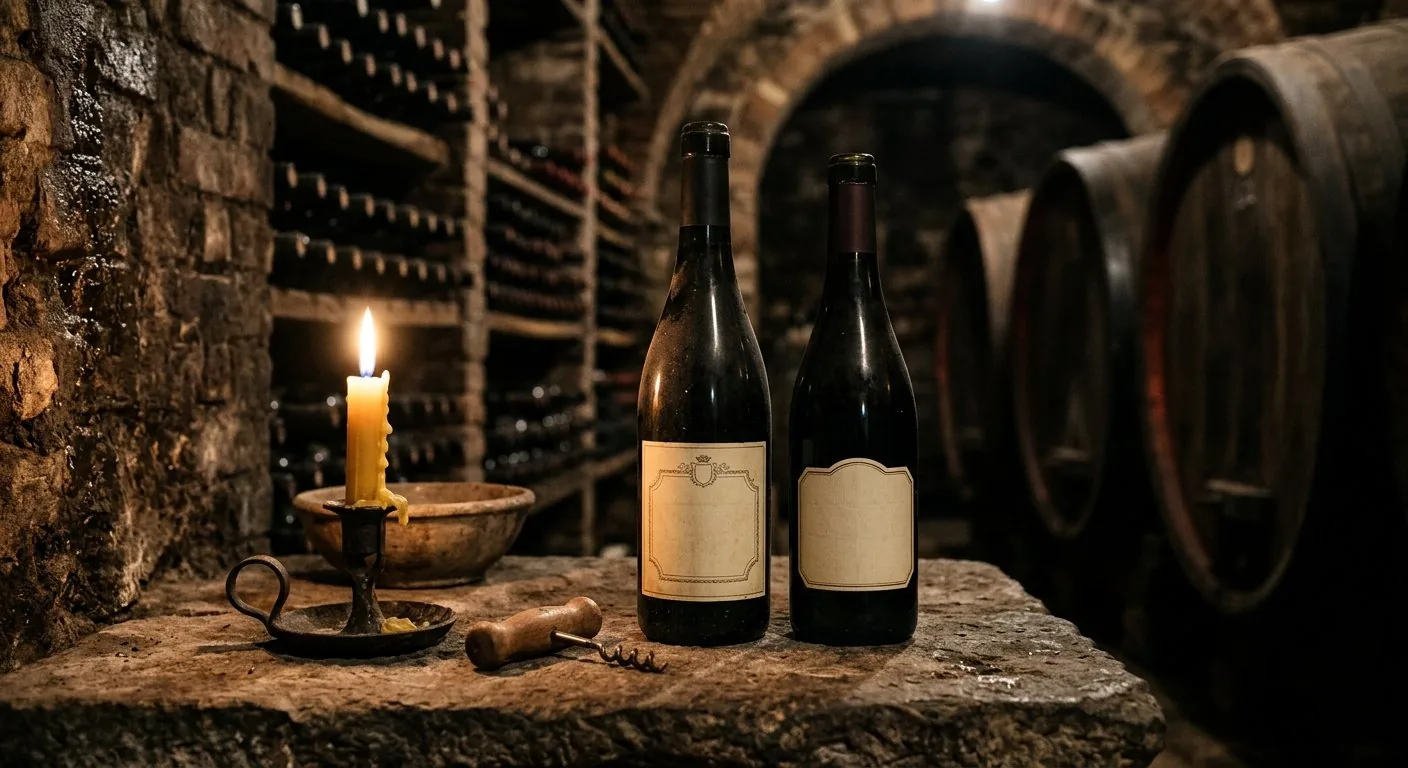
Side by Side: The Key Differences
Grapes: Amarone uses 100% appassimento grapes. Ripasso uses a Classico base wine re-fermented on Amarone's spent skins.
Alcohol: Amarone typically reaches 15–17%. Ripasso typically reaches 12.5–14%.
Ageing: Amarone requires a minimum of 2 years (4 for Riserva). Ripasso requires 1 year minimum; most are released young.
Price: Amarone starts around €35 and can exceed €150. Good Ripasso is available from €12–35.
Cellaring: Amarone can evolve for 20+ years. Ripasso is best within 5–8 years of vintage.
Food pairing: Ripasso with pasta al ragù, grilled beef, aged cheeses. Amarone with braised meats, game, dark chocolate, or simply on its own at the end of a long evening.
Which Should You Start With?
If you are new to Valpolicella, start with Ripasso. It gives you genuine access to the appassimento flavour world — the dried fruit intensity, the rounded texture, the depth — without the price tag or the structural weight of Amarone. A good Ripasso from Zenato, Tommasi, or Masi costs €15–25 and will hold its own against reds twice its price from other regions.
When you are ready to commit — to a special occasion, a cellar bottle, a dinner that deserves the best thing in the rack — then it is time for Amarone. Start with a producer you already trust. Decant for at least an hour. Serve at 18°C. Clear your schedule for the evening.