Every season in Valpolicella has something to offer — but not all seasons are equal. The answer to "when should I go?" depends entirely on what you want to find when you get there. October harvest drama or April serenity? Legendary Amarone cellars in November quiet, or long summer evenings on an agriturismo terrace?
Here is what to expect, month by month, so you can plan a trip that matches what you actually want.
Spring
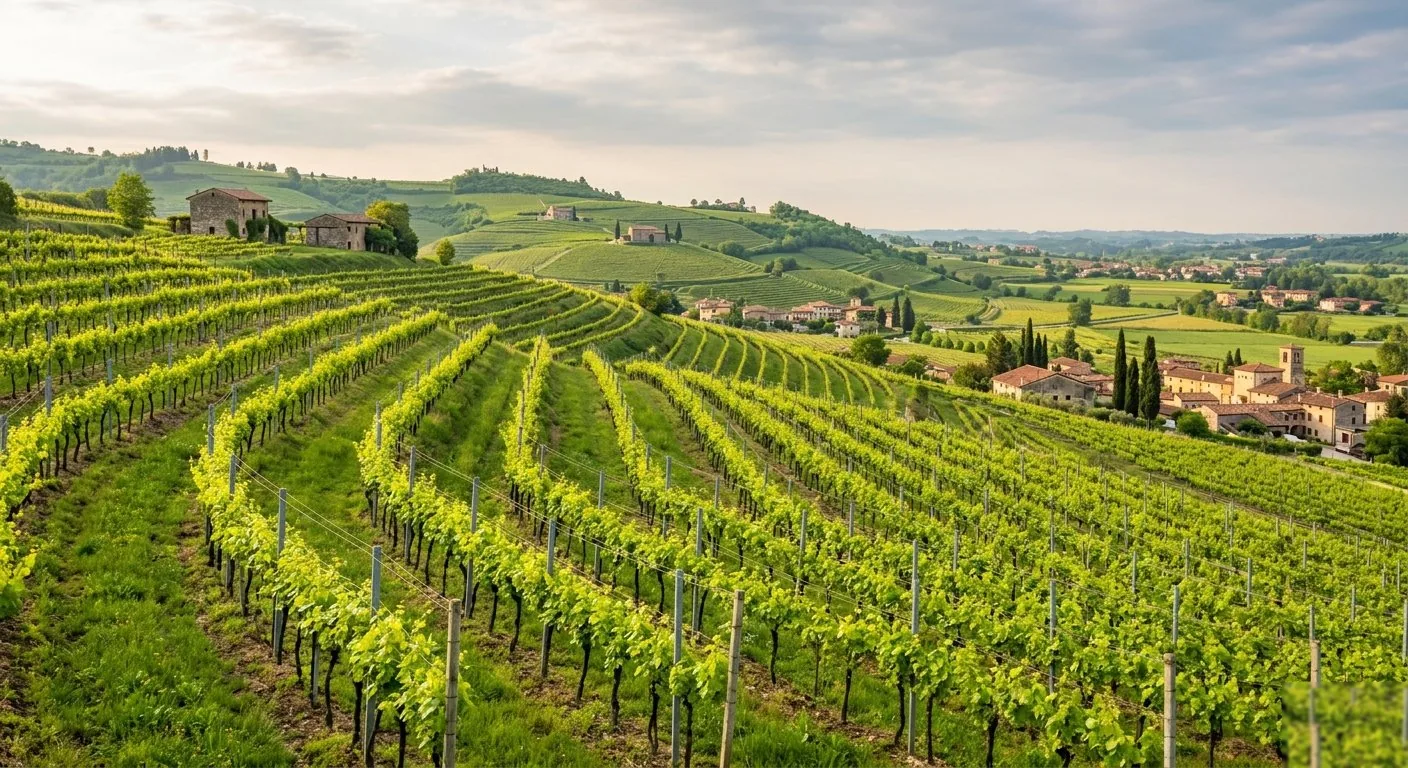
The most beautiful season for the landscape. The vineyards are intensely green, the hillsides flower late into May, and the Classico zone smells of blossom in the morning. Temperatures are mild — 14–22°C — and the roads are quiet.
Estates are unhurried in spring. Winemakers who spent winter racking and bottling are often happy to show visitors around without pressure. Wines from the most recent vintage are being released and are available to taste fresh.
Accommodation is at its most available and competitively priced. Ideal for guests who want to explore at their own pace, eat well, and cover multiple estates without the logistics of peak season.
Highly recommended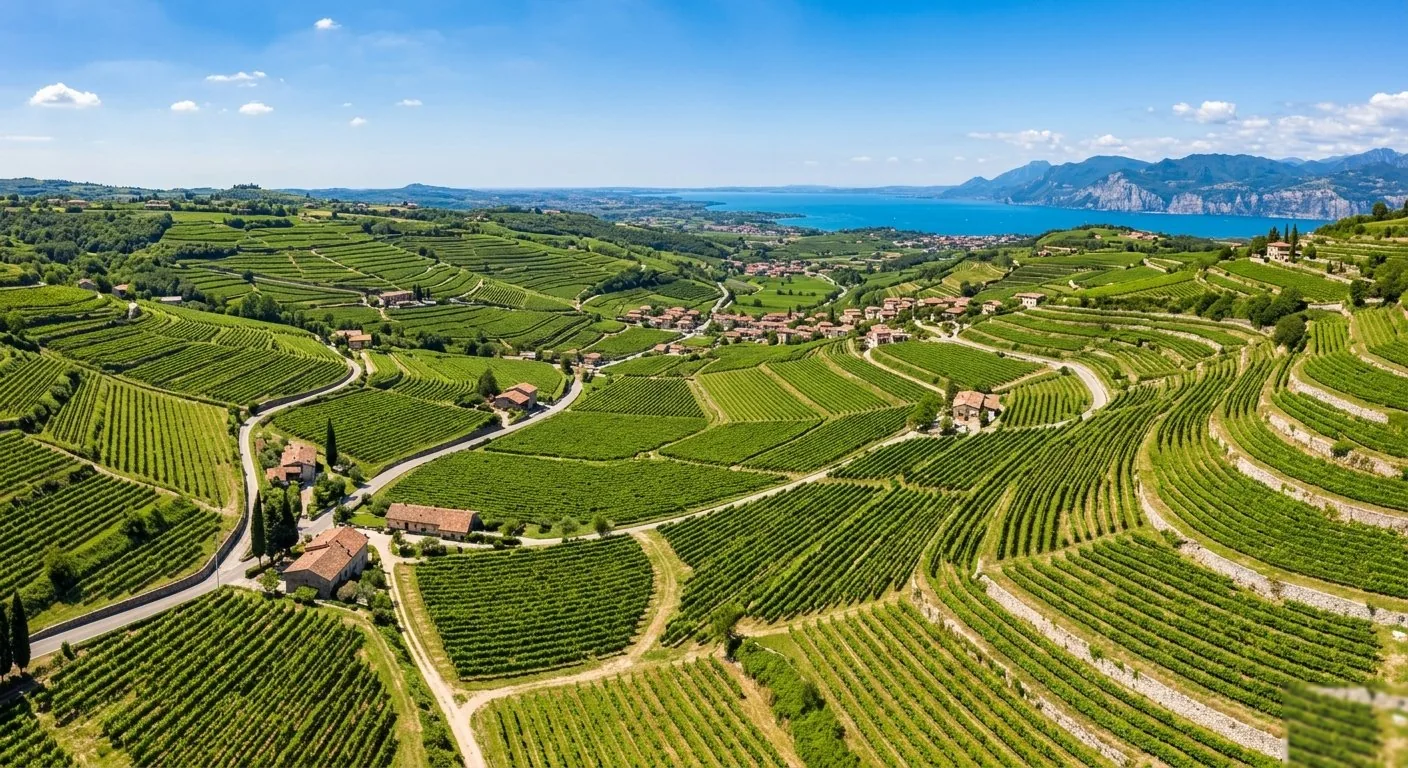
Summer
Summer brings heat and tourists. The valley floor can reach 35°C in July and August; the Classico hillsides are more bearable, but not dramatically so. Many small family estates close entirely in August for the summer holiday — a reality that catches visitors off guard every year.
Verona fills with opera visitors for the Arena season (June–September), driving hotel prices sharply upward and making weekends in the hills busier than usual.
If you visit in summer, go in June before the crowds arrive, focus on estates that have confirmed August opening hours, and book everything well in advance. Early morning cellar visits before the heat sets in are genuinely enjoyable.
June good · August difficult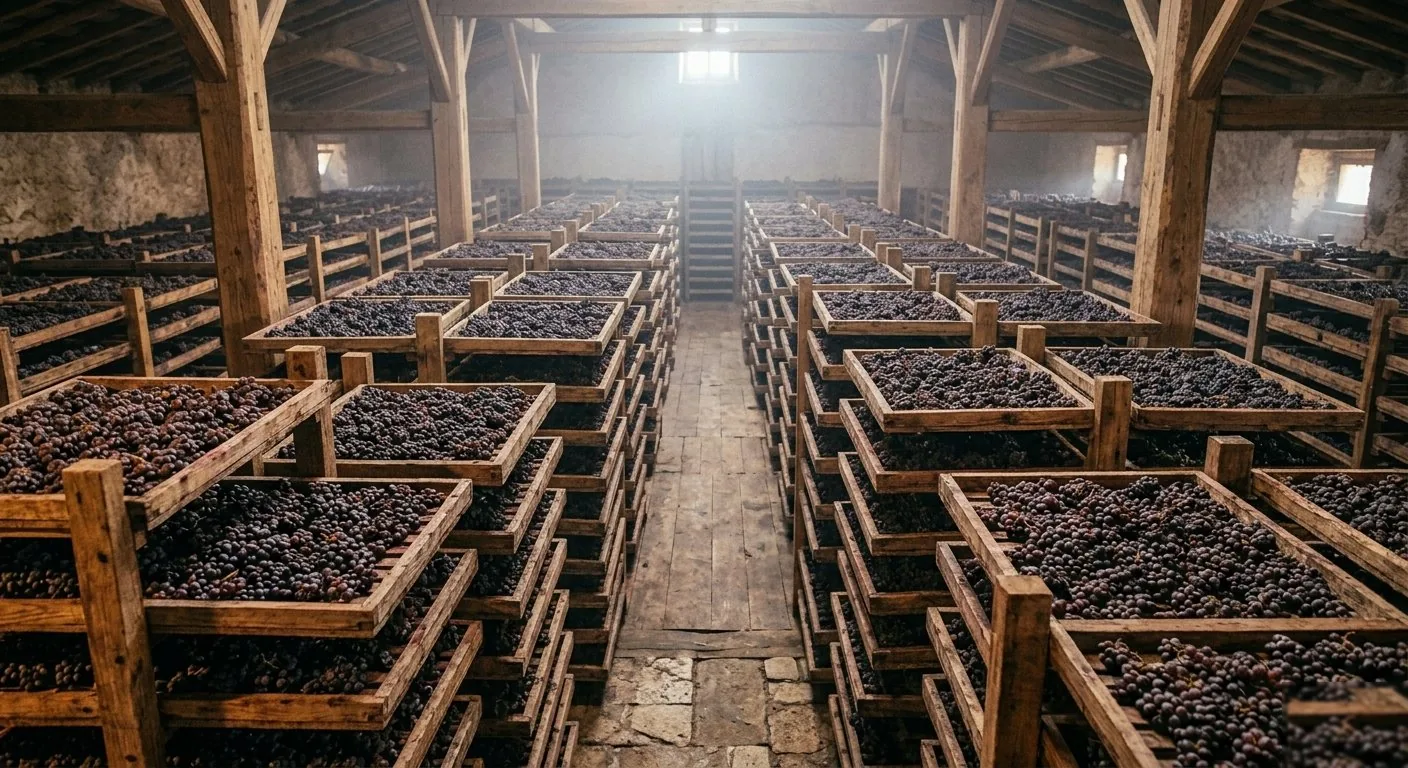
Harvest & Appassimento
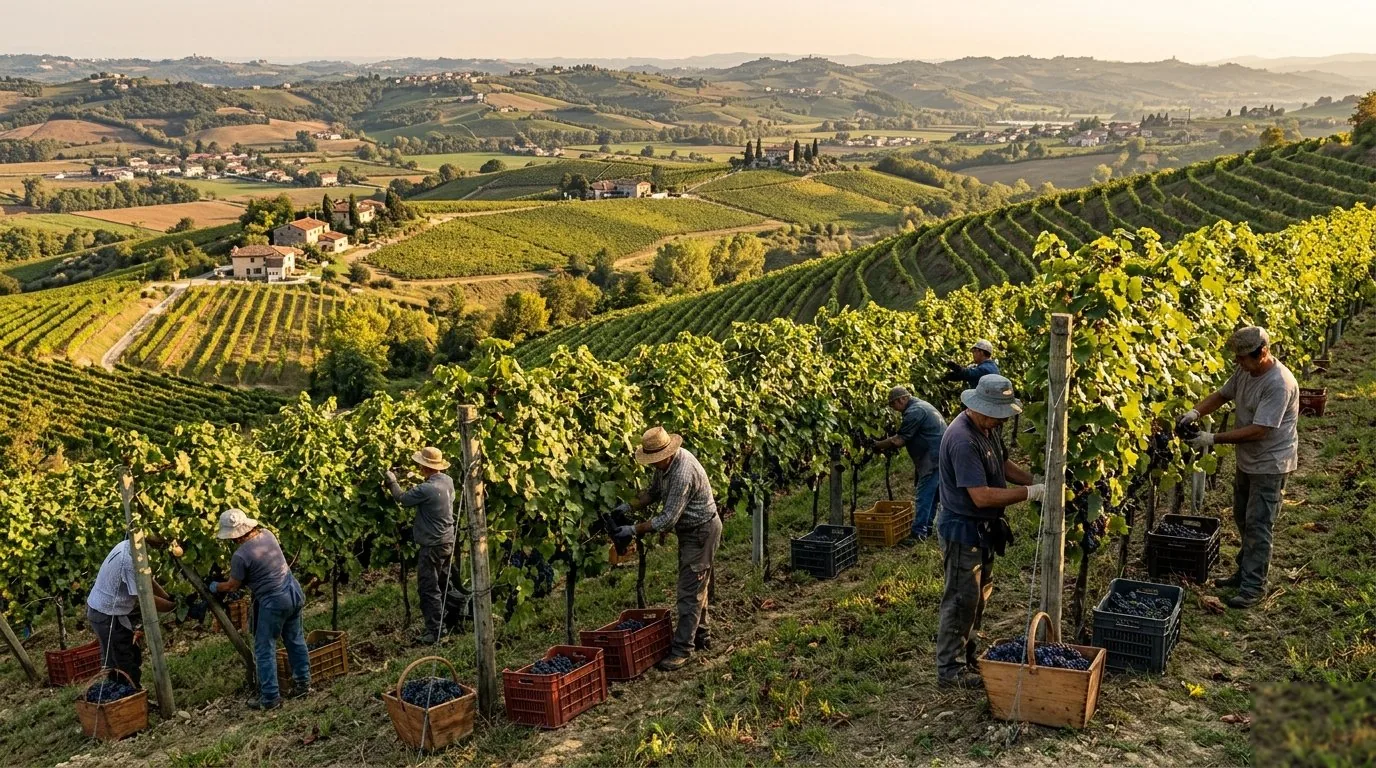
This is the season that defines Valpolicella. The vendemmia — grape harvest — runs through September. By early October, the fruttai are full of drying Corvina clusters, and the entire valley carries the scent of concentrated grape and beginning fermentation. Estates are at their most alive.
October is the single best month to visit if you want to witness appassimento in progress — the drying lofts open for visits only during this six-week window. Some estates run harvest participation experiences where guests can join the picking crew for a morning.
The trade-off: October is the busiest and most expensive time. Book accommodation and cellar tours months in advance. Weekends in peak October fill completely. Come mid-week if you can.
Best single month: October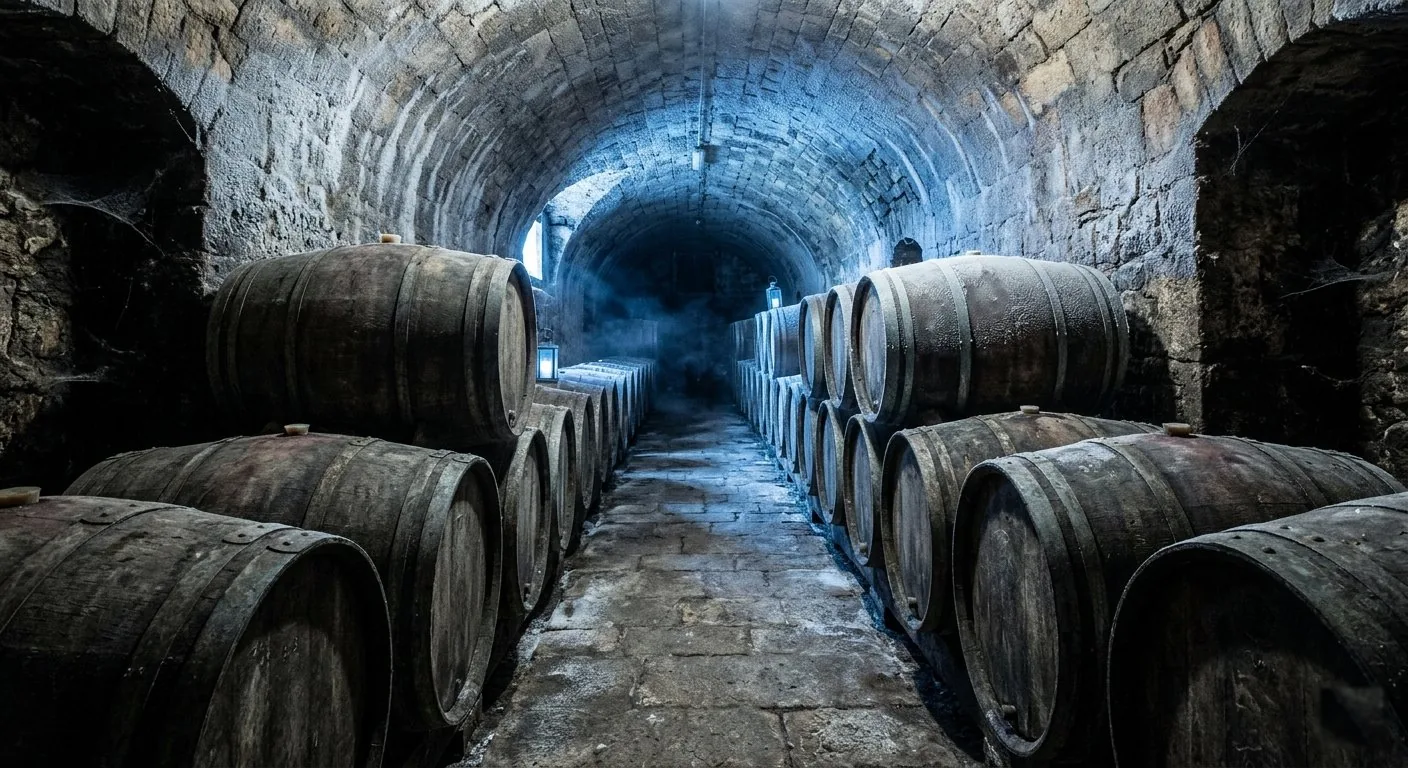
Winter
Quiet, cold, and surprisingly rewarding. The fermentation season runs from November through January — this is when Amarone is actually being made, and the cellars are in active, purposeful use. For serious wine enthusiasts, winter visits can be among the most memorable: winemakers have time, the wines are at an interesting stage, and the valley is beautiful in morning frost.
The downside is cold (2–8°C in December–January) and limited tourist infrastructure. Some agriturismi and smaller restaurants close until spring. Verona, by contrast, is excellent in winter — fewer crowds, lower prices, and the city's Roman architecture reads beautifully in low winter light.
February is the official bottling month for many estates. If you can arrange a visit during this period, the opportunity to taste barrel samples alongside the winemaker is not available at any other time of year.
For serious enthusiastsOur Recommendation
October for drama, atmosphere, and the once-a-year spectacle of appassimento in progress. Book at least two months in advance and come mid-week to avoid the worst crowds.
April or May for beauty, ease, and unhurried access to the estates. The best choice for first-time visitors who want to cover the valley properly without logistical stress.
Avoid the last two weeks of August entirely — too hot, too many closures, too little reward for the effort.
Practical Tips by Season
Booking tours: October appassimento tours sell out months in advance. Spring tours can typically be booked 2–4 weeks ahead. Winter visits to individual estates often require direct contact with the producer rather than online booking.
Driving: A car is required for independent exploration year-round. In October, designated-driver arrangements are essential — you will be tasting a great deal. Guided tours with pickup from Verona are available on all our tour pages and are the easiest solution.
Weather: Bring a layer for cellar visits at any time of year — underground cellars maintain a constant 12–14°C. In October, the evenings can be cool even when days are warm.
Verona Opera Season: If you want to combine wine tourism with the Arena opera season (June–September), book accommodation 3–4 months ahead. Prices double during the opera months.
Ready to plan your trip? Browse our curated wine tours — available in every season.
See All Wine Tours